

Quick answer
Pearl diving in the UAE refers to the traditional practice of free-diving to harvest natural pearls from oyster beds in the Arabian Gulf, which sustained coastal communities from the 16th century until the early 20th century. Divers known as ghawas worked without oxygen equipment, descending 12–15 meters multiple times daily during the pearling season from May to September. The practice collapsed in the 1930s when Japanese cultured pearls flooded the market, but heritage sites in Ras Al Khaimah now offer tours demonstrating the original methods.
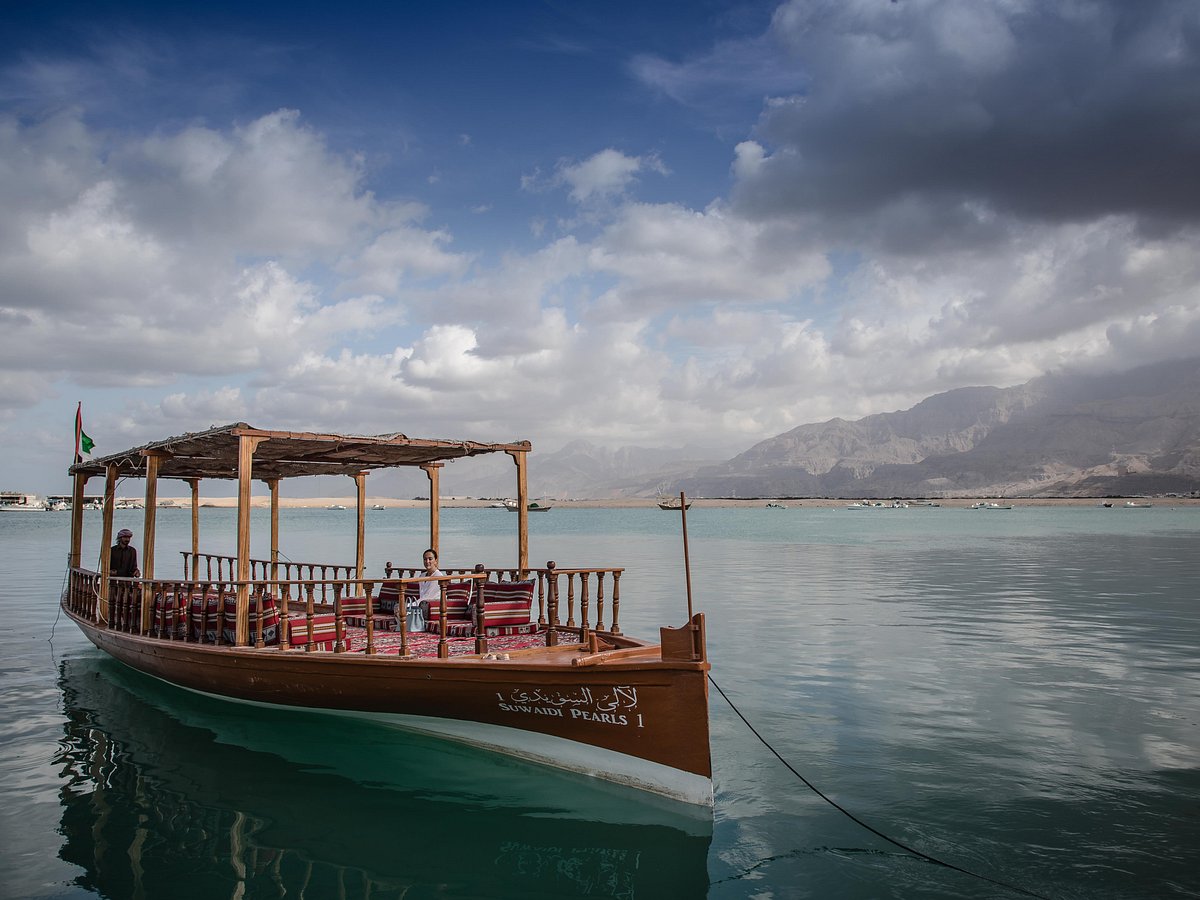
Before the discovery of oil in 1958, pearling fleets from Ras Al Khaimah, Dubai, and Abu Dhabi employed over 22,000 men—nearly half the UAE's male working population. The industry operated on a rigid hierarchy: the nakhodah (captain) commanded the dhow, the ghawas dove, and the saib hauled divers back to the surface using ropes tied around the diver's waist. Each dive lasted 60 to 90 seconds, and experienced ghawas completed 50 or more dives per day. What is pearl diving in UAE beyond labor? It shaped social structure, maritime law, and oral tradition. Families inherited diving roles across generations, and pearl merchants in coastal souqs graded harvests using standardized classification systems still referenced by gemologists today. The collapse came abruptly: Kokichi Mikimoto's cultured-pearl farms in Japan produced cheaper, uniform pearls by 1930, and within a decade the Gulf's natural pearl market had vanished. Divers transitioned to fishing, construction, and eventually oil-sector work. Ras Al Khaimah preserves this history through Suwaidi Pearls, located in Al Rams along the mangrove coast. The site operates daily from 10:00 to 18:00, offering guided tours that demonstrate nose clips made from turtle shell, limestone diving stones, and the leather fingertip guards divers wore to pry oysters from rocks. Visitors observe the oyster-opening process and learn to distinguish nacre quality. The tour includes a boat transit through protected mangroves, where guides explain how divers identified productive oyster beds by reading tidal patterns and seabed composition. No entrance fee applies for site access, though tours require advance booking. Optimal arrival falls between 10:00 and 17:00, when cooler temperatures and favorable light conditions make the mangrove transit comfortable. The experience runs approximately 90 minutes, allowing time to handle reproduction tools and hear recorded oral histories from the last generation of working ghawas, most of whom retired in the 1950s.
“Each dive lasted 60 to 90 seconds, and experienced ghawas completed 50 or more dives per day.”
Historical Context: What Is Pearl Diving in UAE Heritage?
Pearl diving in the UAE emerged as a structured commercial enterprise during the late seventeenth century, when Ras Al Khaimah's natural oyster beds attracted seasonal fleets from across the Trucial Coast. By 1770, the Qawasim merchant families had consolidated control over the northern pearl trade, establishing Ras Al Khaimah as a primary departure port for summer diving expeditions that lasted four months. Divers worked without breathing apparatus, descending fifteen to twenty meters on a single breath while collectors aboard surface dhows sorted hauls by luster and size. The 1820s saw British treaty agreements formalize maritime boundaries, yet pearl revenue continued to fund most coastal settlements until the early twentieth century. What is pearl diving in UAE economic history became clear during the 1900–1930 boom, when Ras Al Khaimah's annual pearl exports exceeded two million rupees and employed over three thousand divers each summer. The 1929 introduction of Japanese cultured pearls collapsed Gulf prices within eighteen months. By 1935, most Ras Al Khaimah diving families had abandoned the trade for fishing or date cultivation. A handful of heritage practitioners revived traditional pearl diving methods in the 1990s, teaching rope-weight descent techniques and demonstrating hand-operated oyster knives at cultural festivals. Today, visitors to Ras Al Khaimah encounter this history through restored pearling dhows and guided mangrove expeditions where instructors explain breath-hold diving, basket weaving for shell collection, and the grading system jewelers once used to price natural Gulf pearls. The practice survives as cultural preservation rather than livelihood, anchored in the same tidal channels that supported the industry for two centuries.
Qawasim merchant families consolidate control over northern Gulf pearl trade, establishing Ras Al Khaimah as a primary seasonal departure port.
British maritime treaties formalize Trucial Coast boundaries, yet pearl revenue remains the dominant economic driver for coastal settlements.
Ras Al Khaimah pearl exports peak above two million rupees annually, employing over three thousand divers each summer season.
Introduction of Japanese cultured pearls triggers rapid collapse of Gulf natural pearl prices within eighteen months.
Majority of Ras Al Khaimah diving families abandon pearling for fishing and agriculture as trade becomes economically unviable.
Heritage practitioners revive traditional pearl diving techniques for cultural education, demonstrating rope-weight descent and oyster-opening methods at festivals.
When to Experience What Is Pearl Diving in UAE
The optimal time to experience pearl diving in Ras Al Khaimah is during the cooler months of November to March, specifically within the 10:00–17:00 arrival window. This timeframe ensures comfortable temperatures for mangrove boat transit and sufficient daylight for the tour duration.
November–March
ModerateMild, 20°C–28°C
These months offer the most comfortable weather for outdoor activities and boat transit.
April and October
LowWarm, 30°C–35°C
Early and late season provide manageable heat levels before the summer peak.
10:00–17:00 Daily
Consistent—
This window provides optimal lighting for navigating the mangroves and avoids the highest intensity of midday heat.
Verdict: Plan your visit between November and March, aiming for an arrival between 10:00 and 17:00 to ensure the best weather conditions for boat travel.
Logistics: How to Reach the Site for What Is Pearl Diving in UAE
The pearl diving site is located in the Al Rams area of Ras Al Khaimah. The most direct approach is by car or taxi, following Al Rams Road to reach the departure point.
Follow E11 north and take the exit toward Al Rams Road
Direct service to Al Rams Road, Al Rams
RAK Transport Authority intercity routes to Al Rams
Operating Hours for What Is Pearl Diving in UAE
The facility is open daily to accommodate visitors interested in the traditions of pearl diving.
| Monday | 10:00–18:00 | |
|---|---|---|
| Tuesday | 10:00–18:00 | |
| Wednesday | 10:00–18:00 | |
| Thursday | 10:00–18:00 | |
| Friday | 10:00–18:00 | |
| Saturday | 10:00–18:00 | |
| Sunday | 10:00–18:00 |
Entrance Fees and What Is Pearl Diving in UAE Pricing
There is no standalone gate entrance fee for casual visitors at the site. Access to pearl diving experiences is managed exclusively through pre-booked, ticketed tours.
While there is no general admission cost, visitors pay for specific, scheduled pearl diving tours which vary in price based on the selected package.
Check availability
Frequently Asked Questions About Pearl Diving in UAE
Everything you need to know about what is pearl diving in uae