2 hr 30 min
House Of Pearls Maritime Heritage Experience
- Entry ticket
- Mobile voucher
- Valid same day
- Free cancellation
Pearl Diving Tour Ras Al Khaimah — Heritage Expeditions on Traditional Dhows
Where ancient pearl beds meet living tradition, two hours on the Arabian Gulf
Compare fares, pick the fit — all bookings are mobile-voucher and eligible for free cancellation where shown.
2 hr 30 min
12 hr
24 hr
| Experience | Duration | Rating | Transfers | Pickup | Small group | Free cancel. | Price | |
|---|---|---|---|---|---|---|---|---|
|
Standard Entry
Most popular
House Of Pearls Maritime Heritage Experience
|
2 hr 30 min | ★ 4.8 | — | — | — | ✓ | €62 | Book → |
|
Luxury / Private
Private Dubai or Abu Dhabi Transfer with Personal Driver
|
12 hr | ★ 4.9 | ✓ | ✓ | ✓ | ✓ | €105 | Book → |
|
Guided Experience
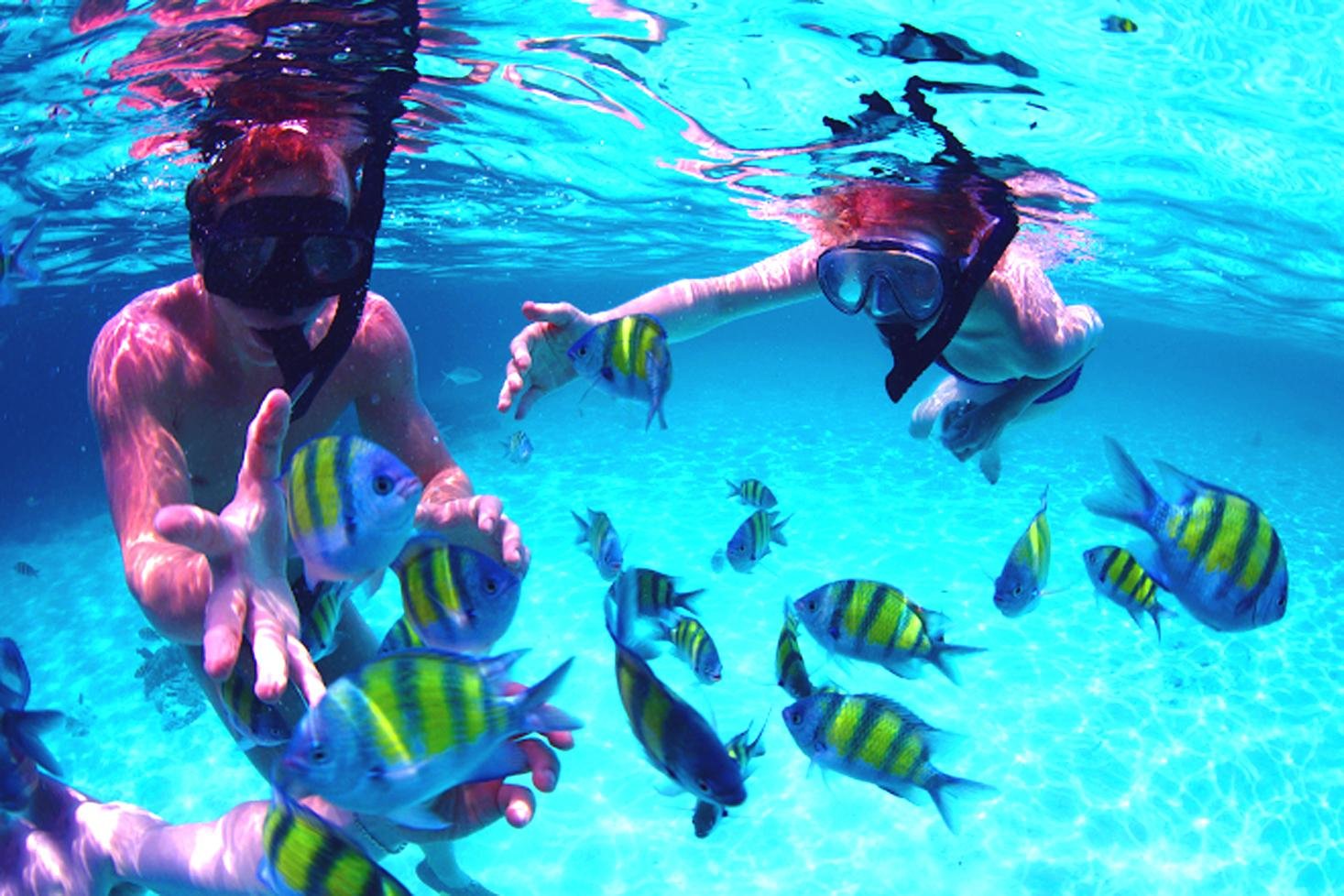
Musandam Fjord Dolphin Cruise with Snorkeling & Lunch
|
24 hr | ★ 4.8 | — | ✓ | ✓ | ✓ | €121 | Book → |
Worth it for culture seekers and families
At 450 AED per person, a pearl diving tour in Ras Al Khaimah delivers more than a standard boat trip—it's a hands-on immersion into the Emirates' pre-oil heritage. You'll board a traditional dhow, learn century-old free-diving techniques from local guides, and attempt to harvest oysters yourself in shallow waters off Al Rams. The two-hour experience includes historical context about the pearl trade that once sustained coastal communities, plus the chance to open your own oyster. Unlike generic sightseeing cruises, this pearl diving tour Ras Al Khaimah format combines education, physical participation, and cultural storytelling. Families with children over eight find it engaging; solo travelers appreciate the small-group authenticity. The price reflects specialized guiding and equipment, making it a middle-tier investment compared to desert safaris or city tours. If you prioritize tactile cultural experiences over passive observation, the value holds. Visitors seeking only relaxation or unwilling to get wet should reconsider.
Bottom line: Pearl diving tours in Ras Al Khaimah justify the cost if you value active cultural learning over passive entertainment.
Hand-picked experiences loved by thousands of travelers
4 hours
Free Cancellation
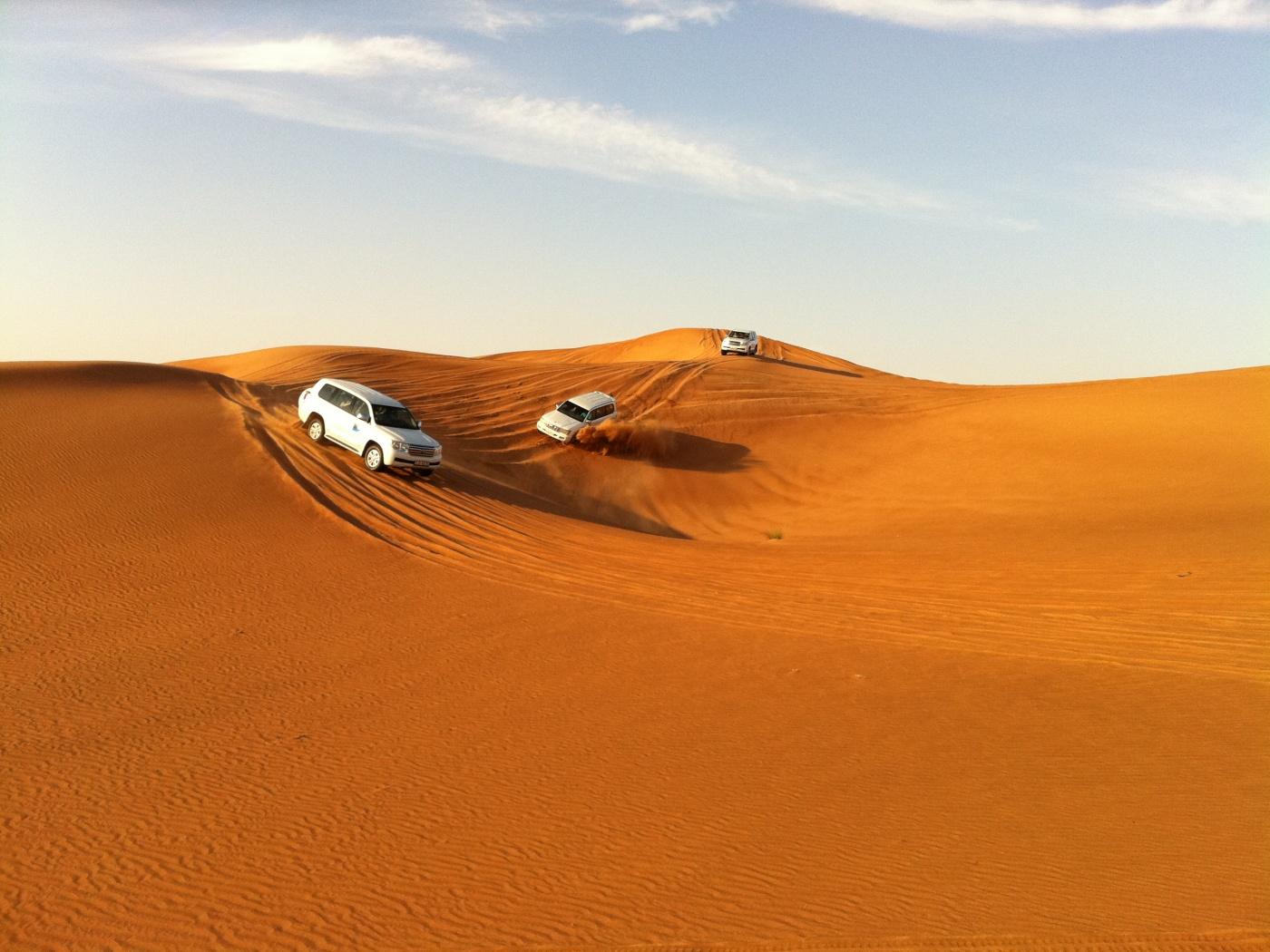
Experience thrilling 4x4 dune rides, traditional performances, and authentic Bedouin hospitality under the stars
12 hours
Free Cancellation
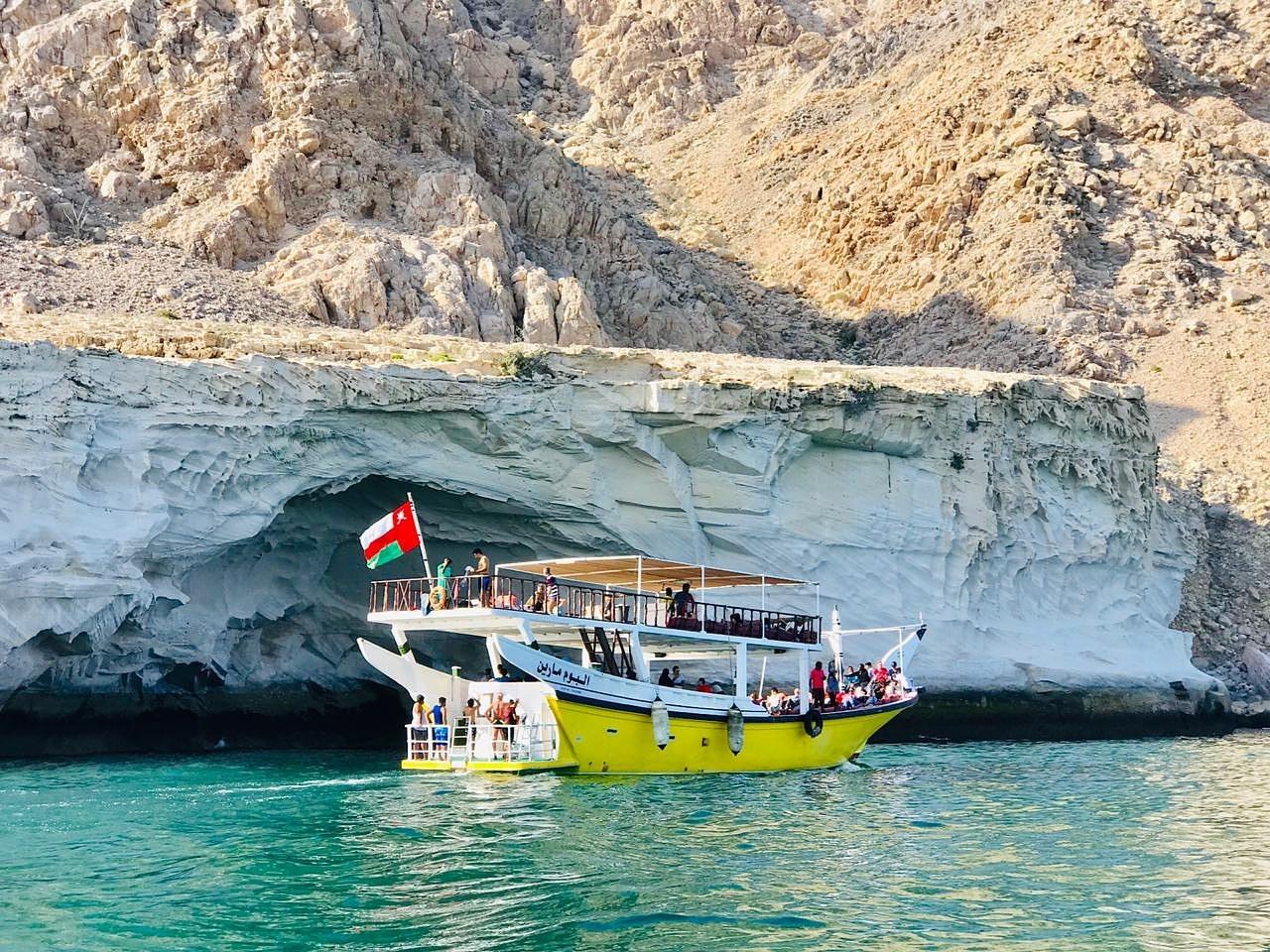
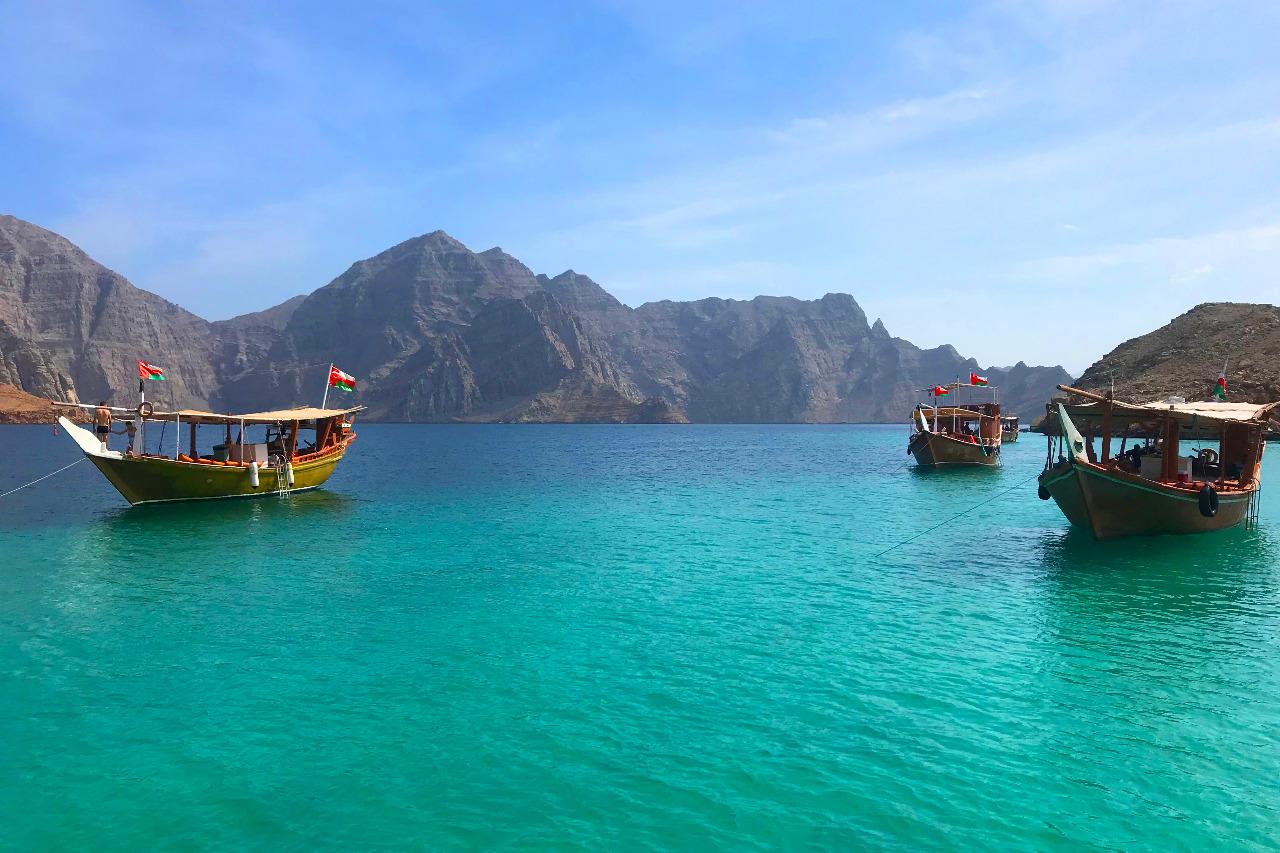
Full-day traditional boat journey through Oman's dramatic fjords with snorkeling, kayaking, and beach time
9 hours
Free Cancellation
Sail through dramatic fjords, spot dolphins, and snorkel in crystal waters on this full-day Arabian adventure
12 hours
Free Cancellation
Full-day voyage through Oman's dramatic fjords aboard a traditional dhow with marine life encounters
Flight experience varies
Free Cancellation
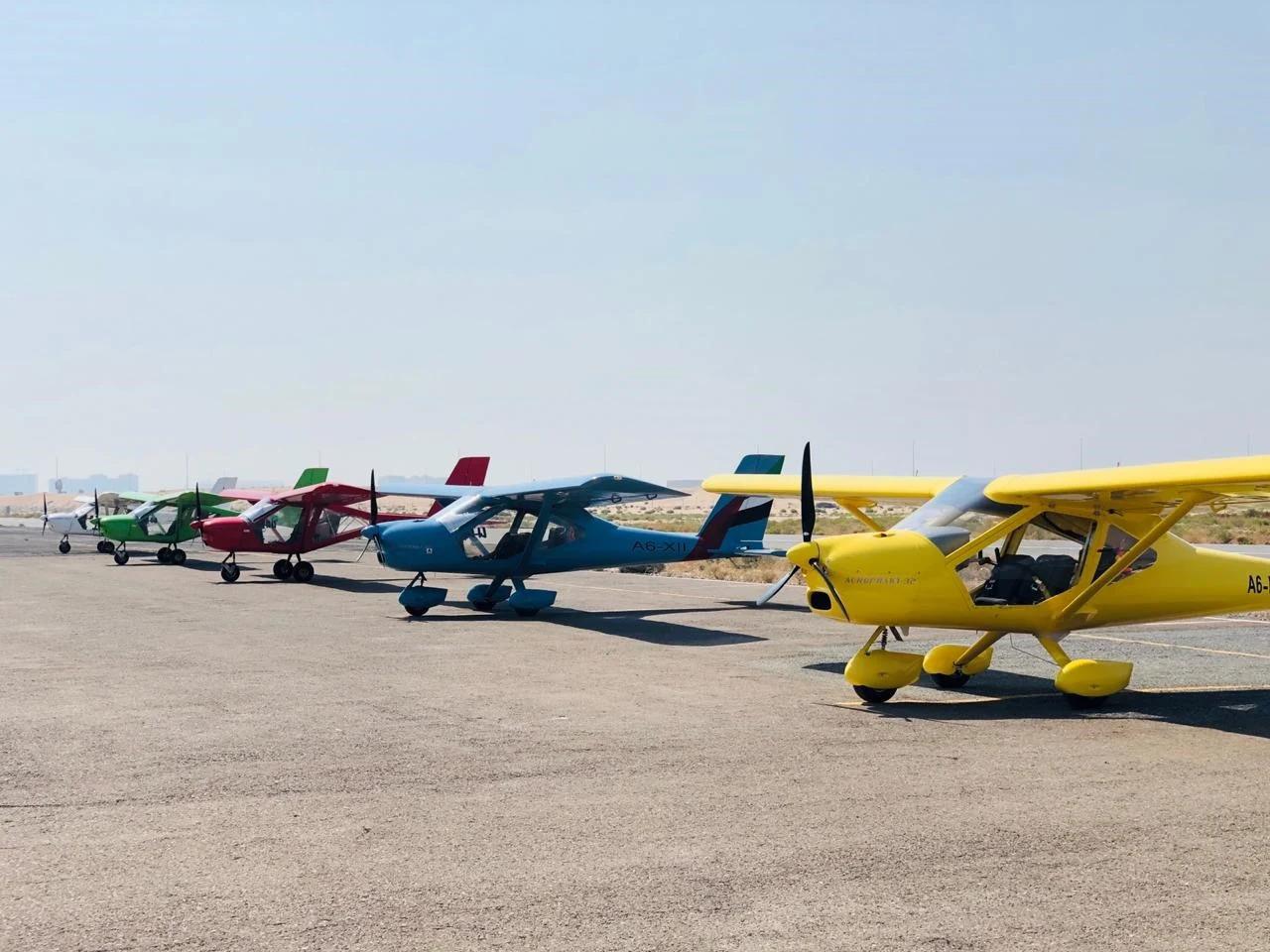
Soar above desert dunes and coast in a two-seater microlight with expert pilots at your side
4 hours
Free Cancellation
Discover Musandam's capital, explore a historic fortress, and witness ancient petroglyphs in a remote oasis.
10 hours
Free Cancellation
Experience Dubai's iconic attractions on a personalized 10-hour journey with hotel transfers included
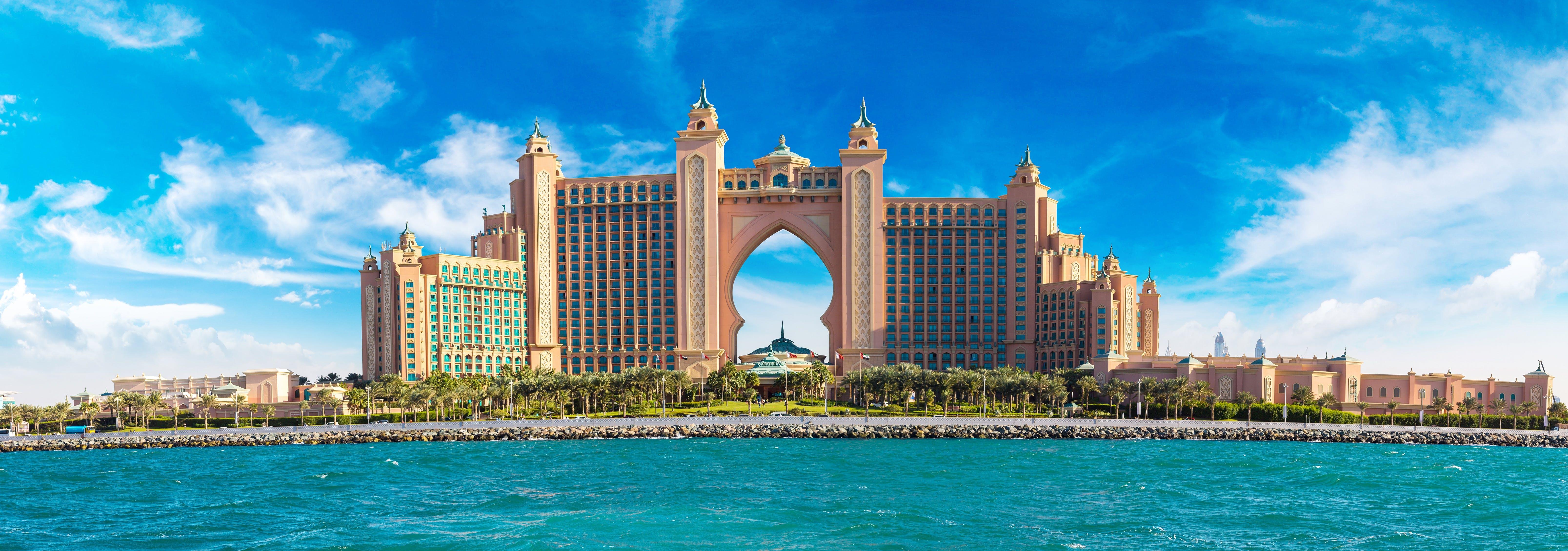
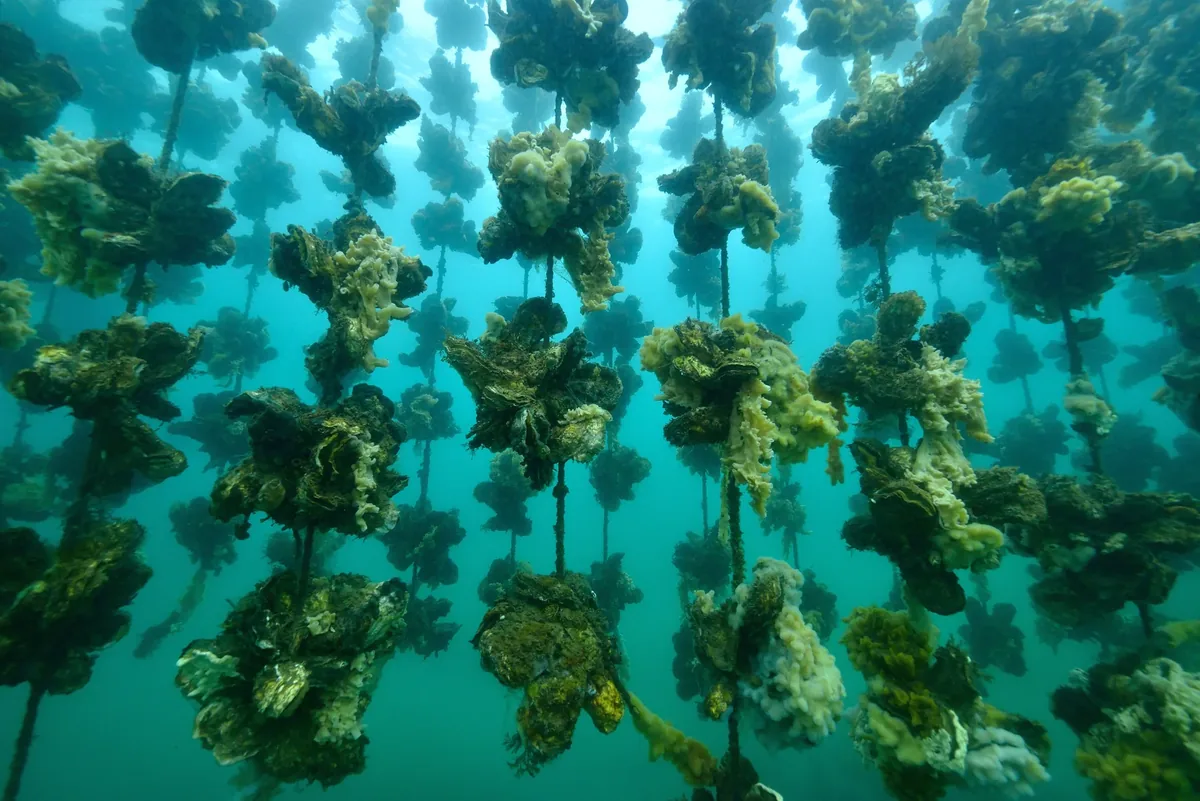
This unique structure serves as the main research and exhibition hub, showcasing the evolution of cultured pearls.
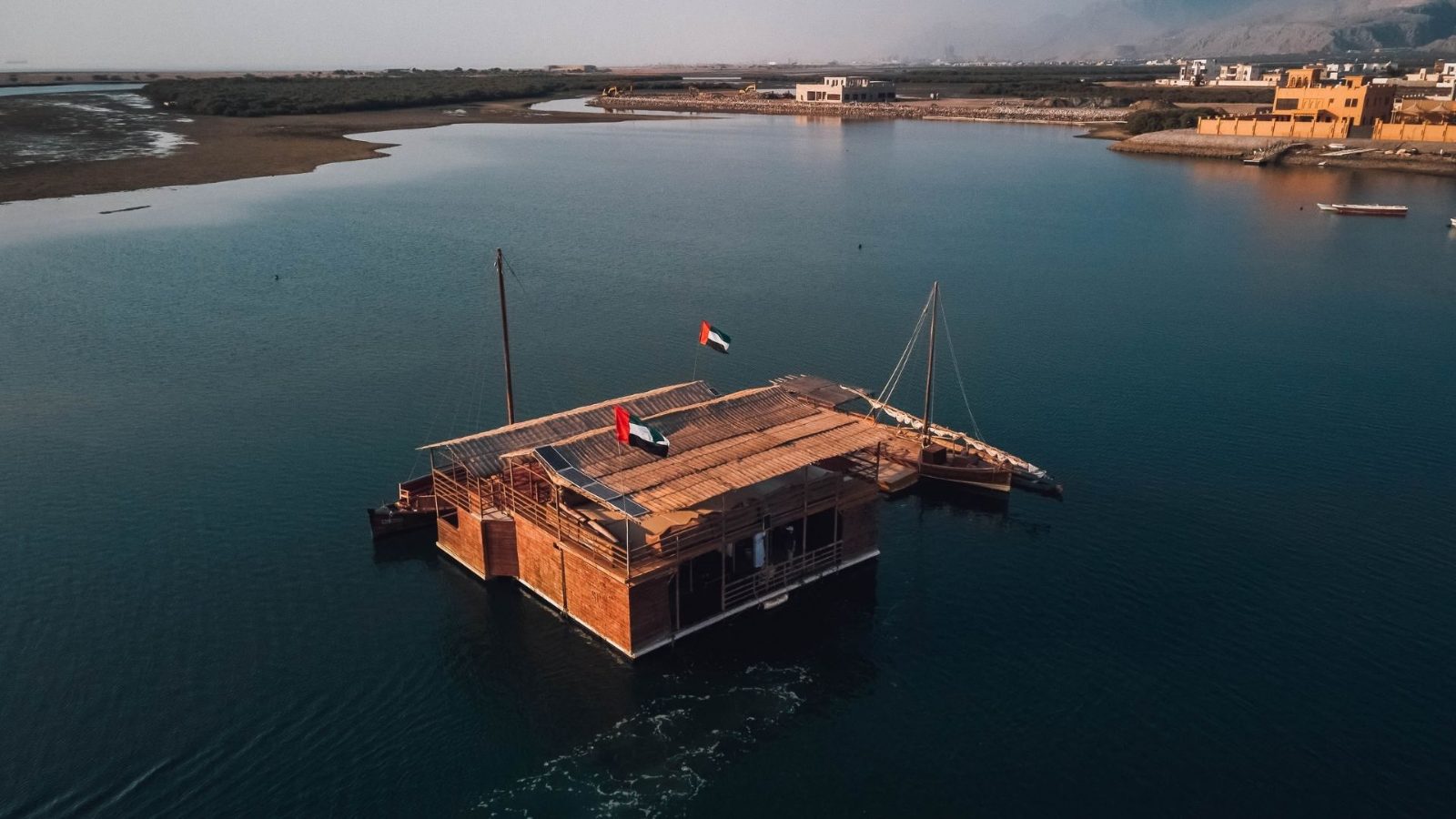
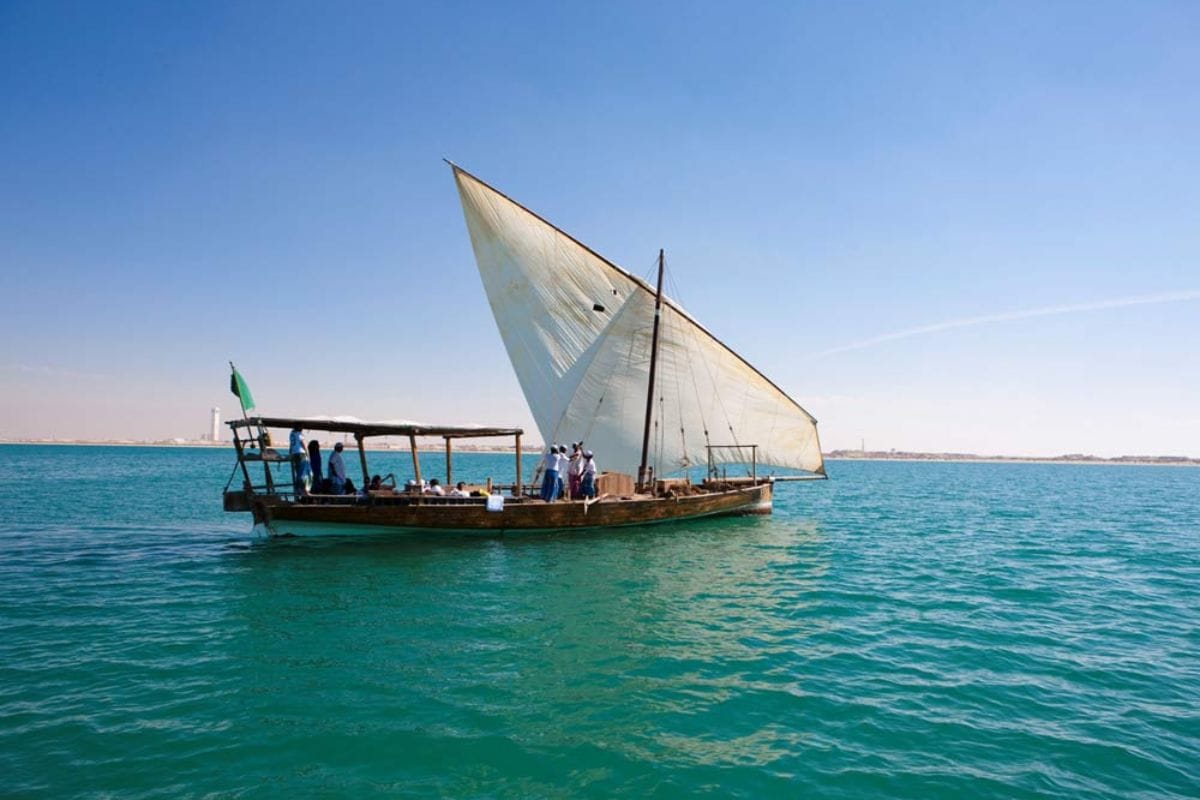
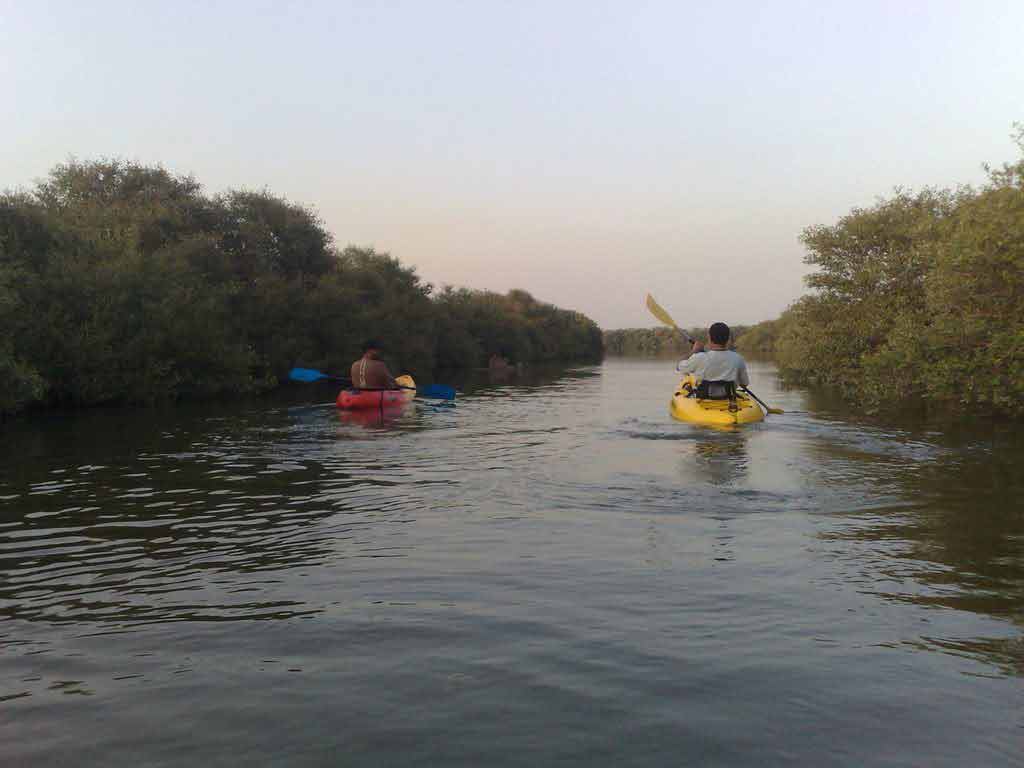
These shallow, protected waters provide a tranquil path for the traditional dhow ride to the farm.
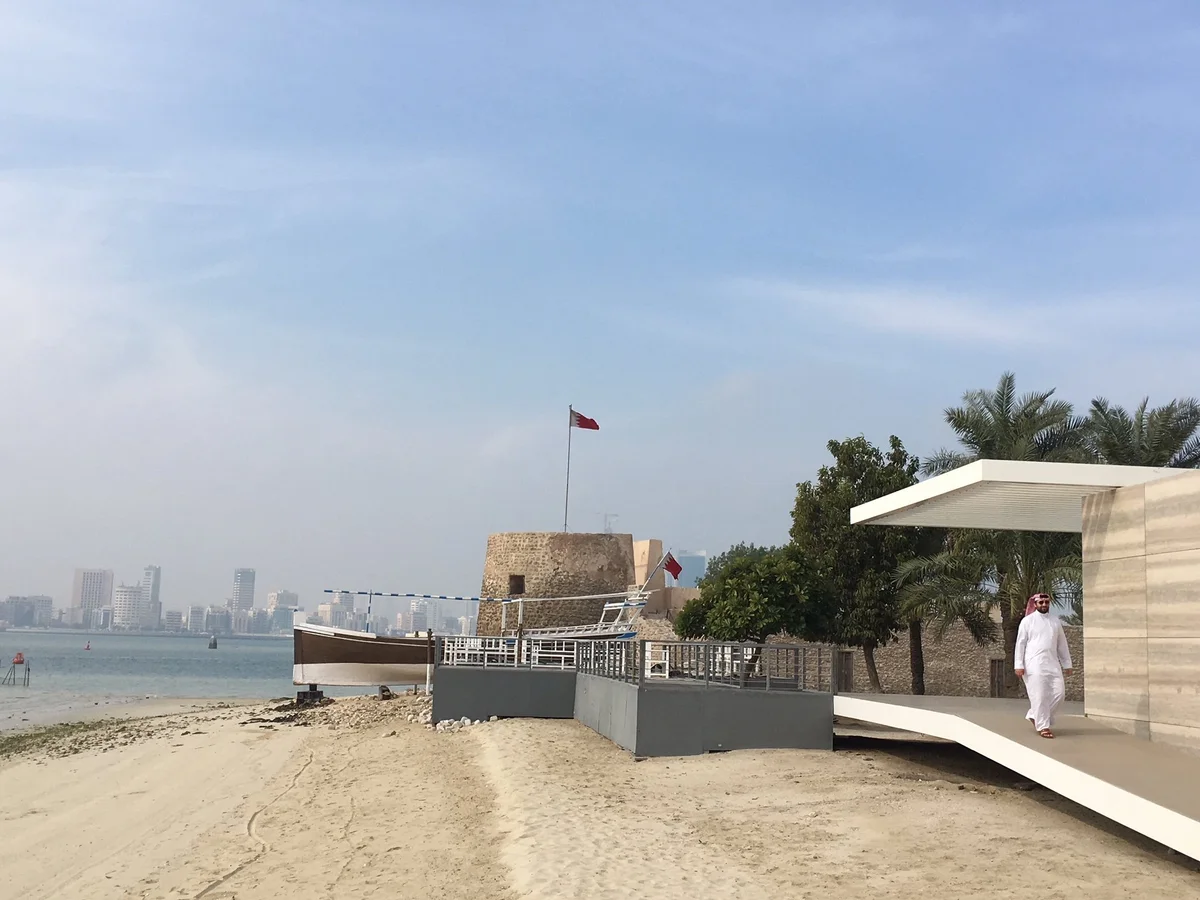
The collection features historic artifacts and the captain's treasure chest, detailing the 7,000-year history of the trade.
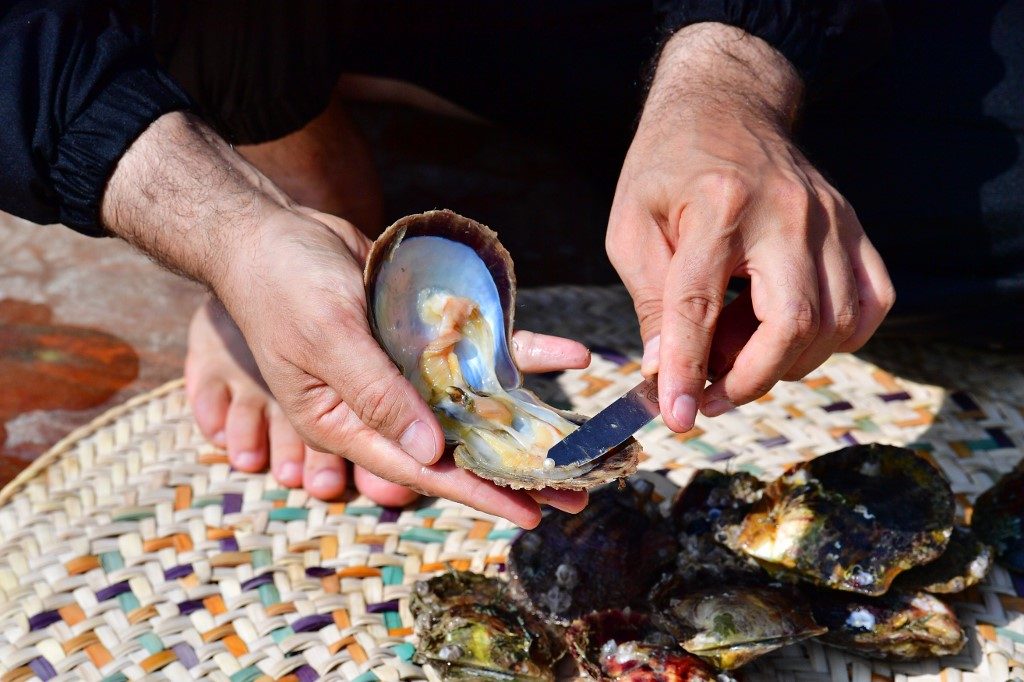
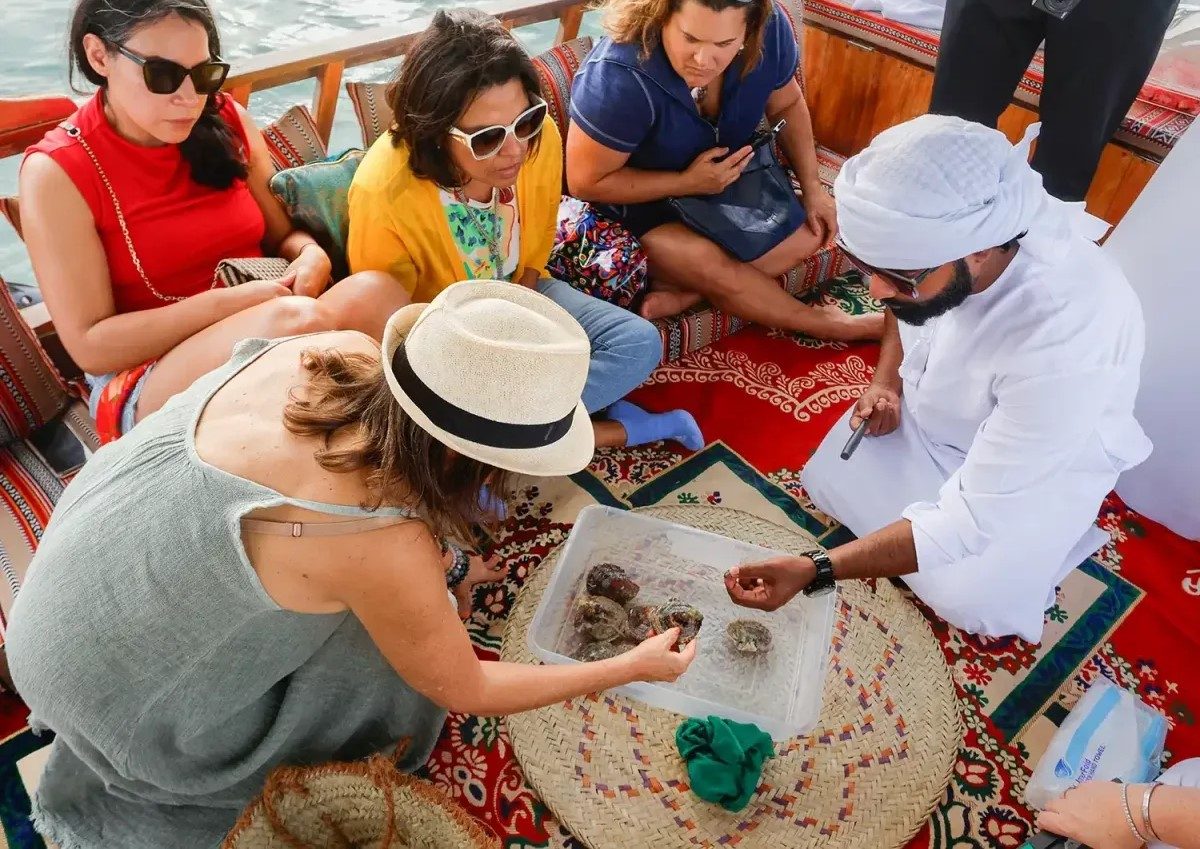
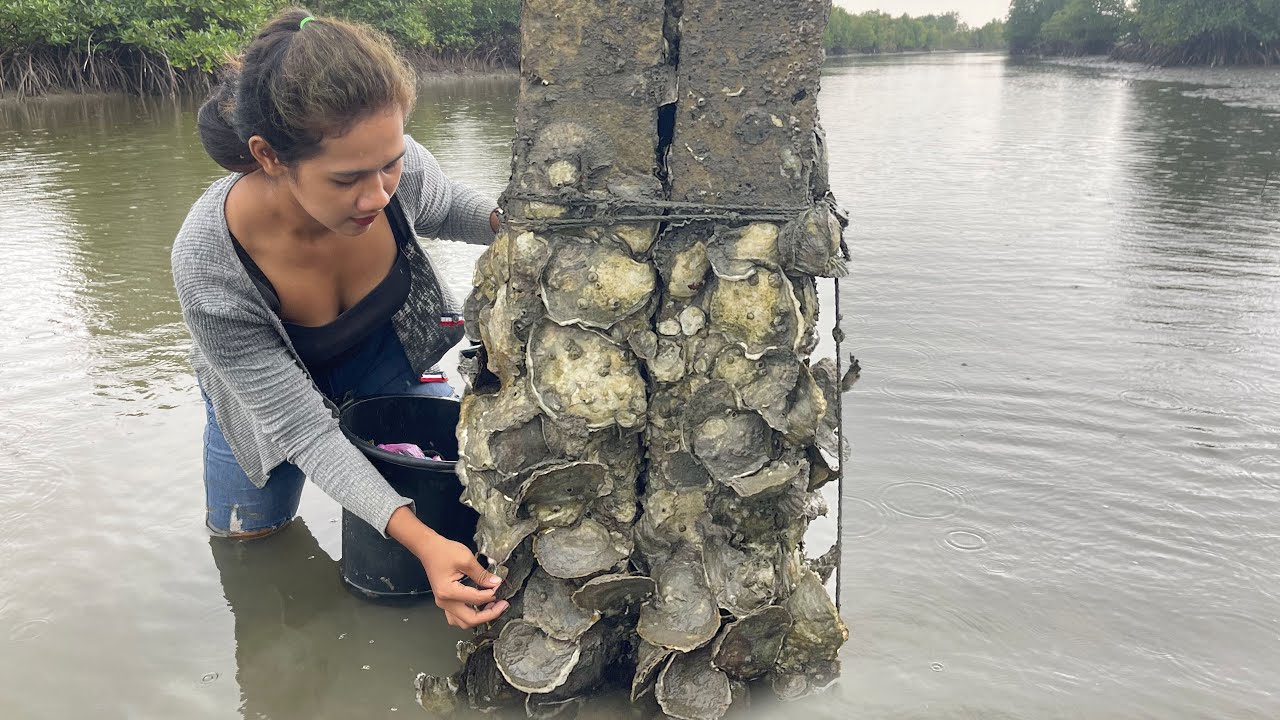
Experts demonstrate the traditional techniques used to extract pearls from local oysters with a 60% discovery chance.
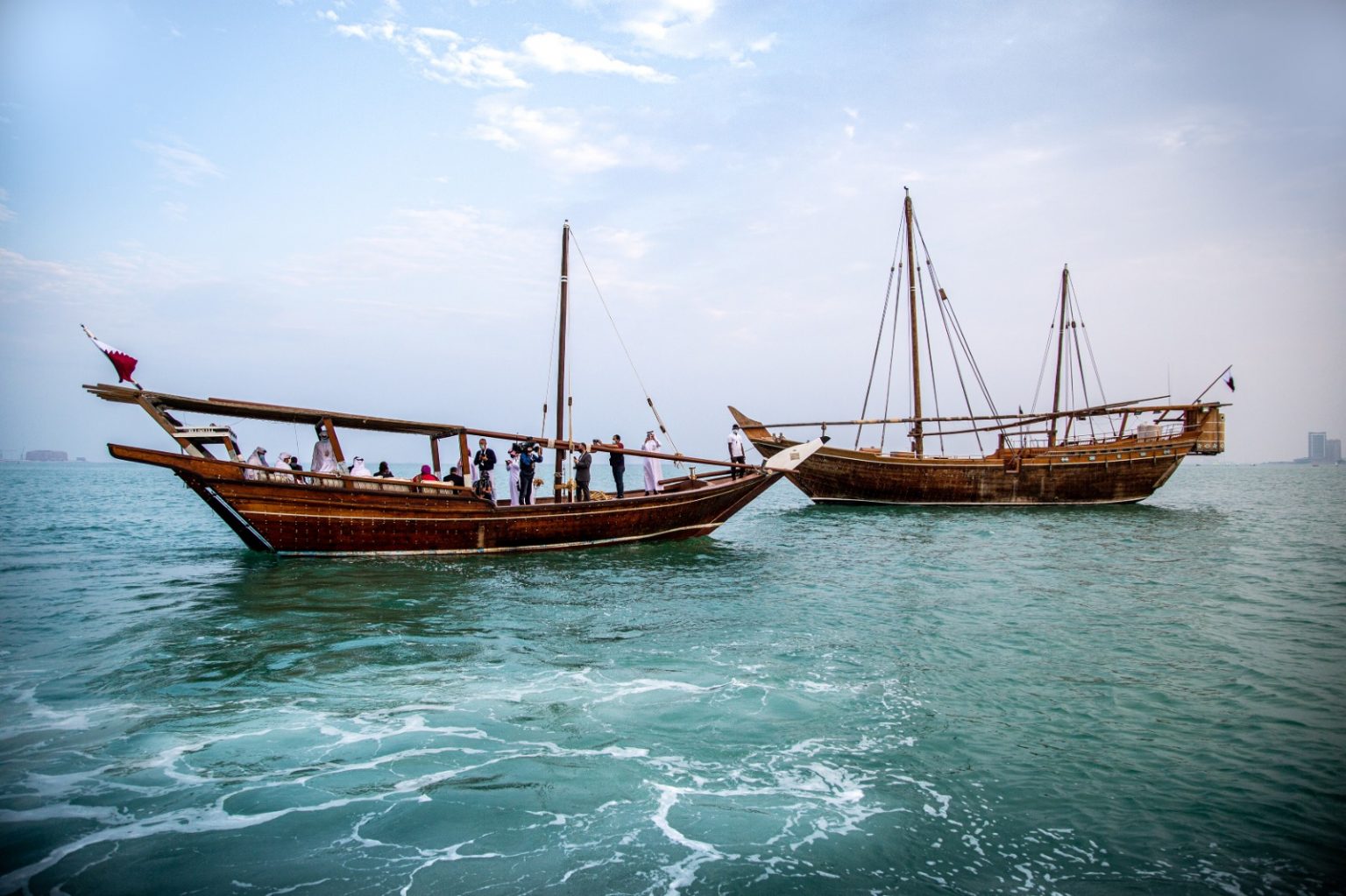
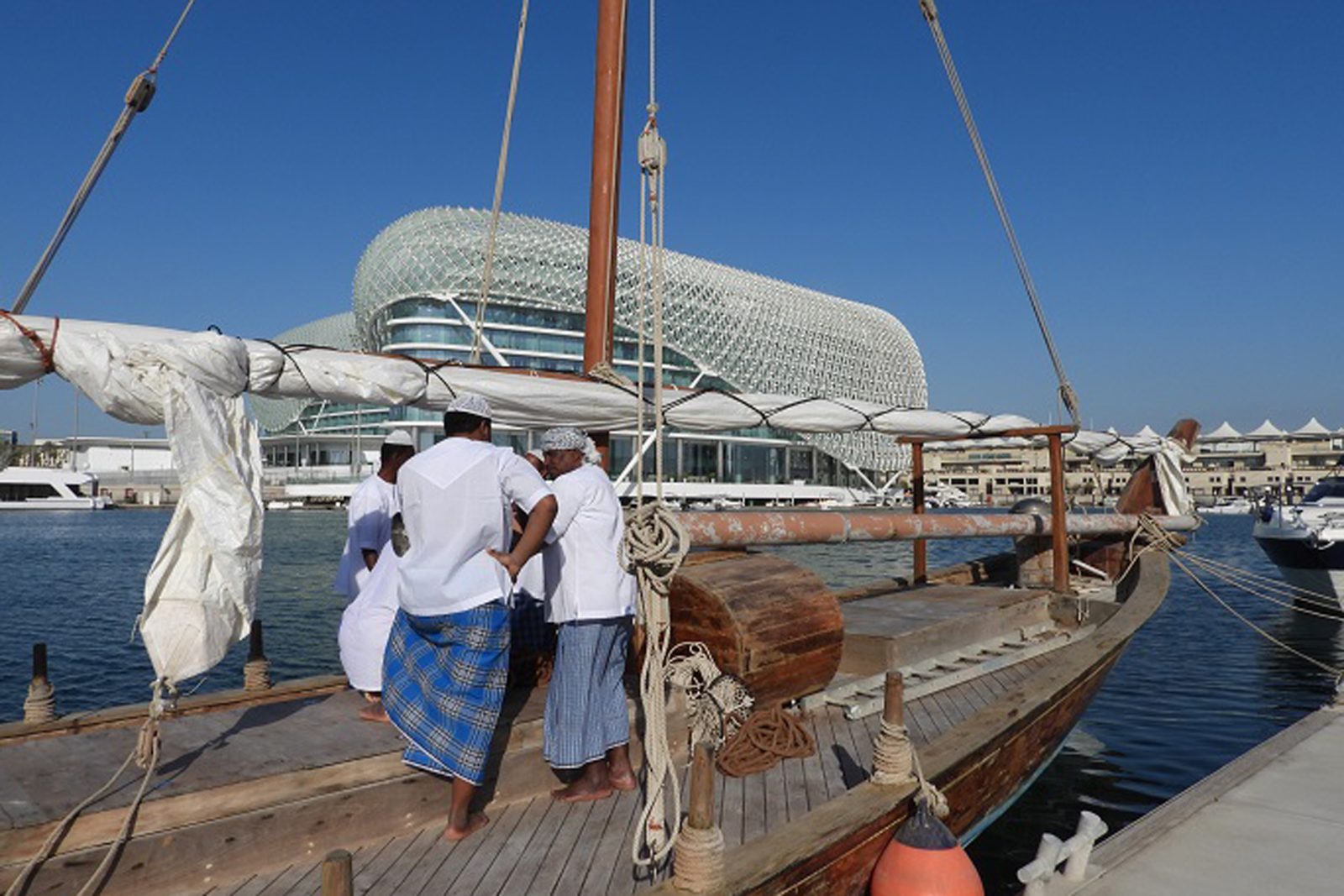
The boat ride is a core part of the journey, allowing guests to steer and experience the diver's commute.
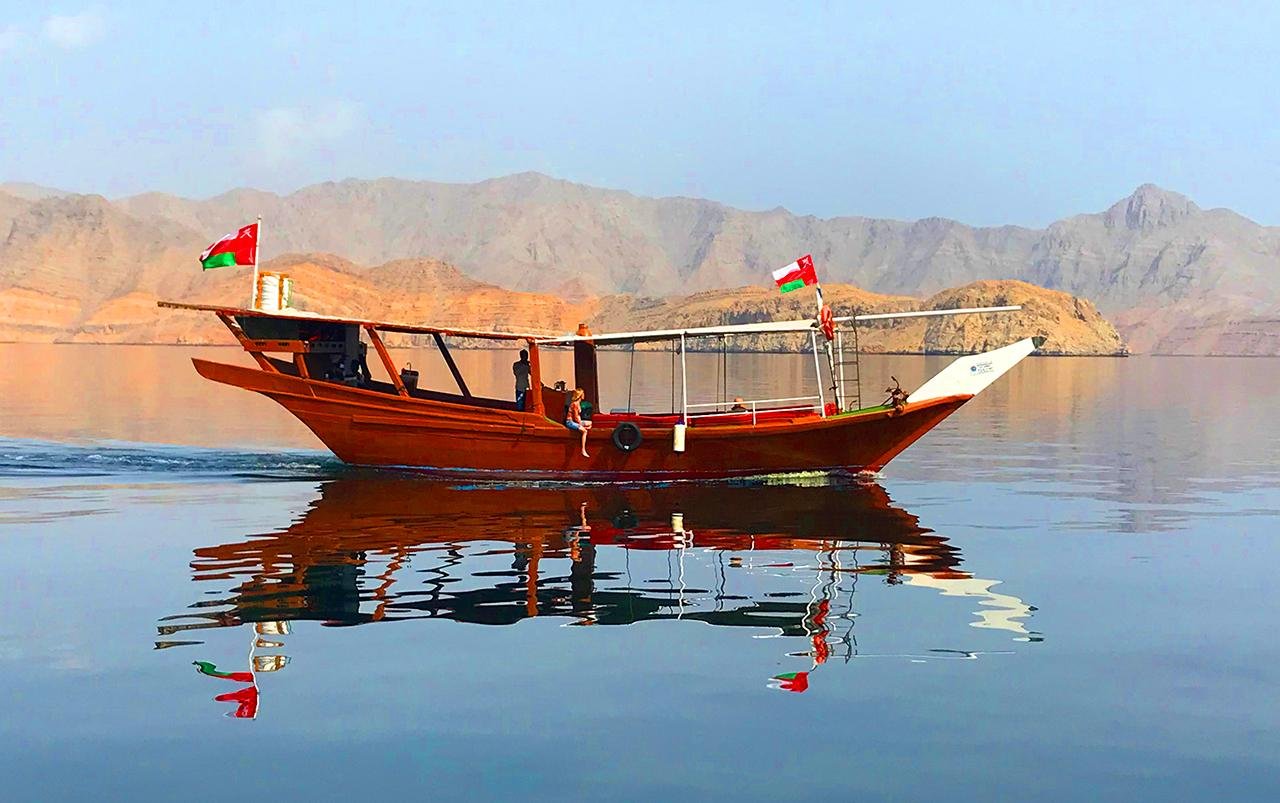
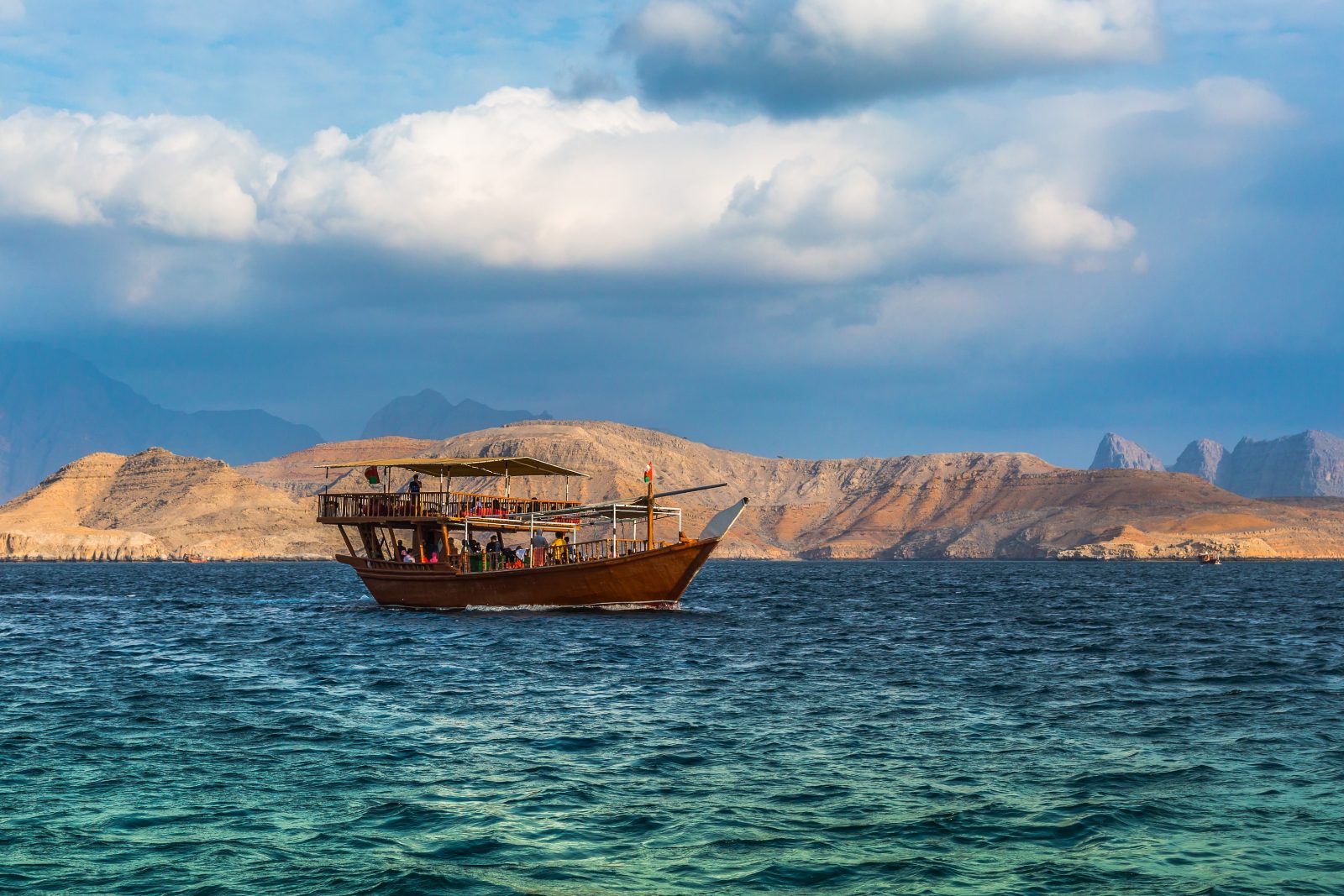
You board a restored mahogany dhow at Al Rams harbor, the deck scrubbed pale by sun and salt. The crew—three men in traditional kanduras—unfurl a triangular sail as the diesel engine idles. Ten minutes offshore, the captain cuts the motor.
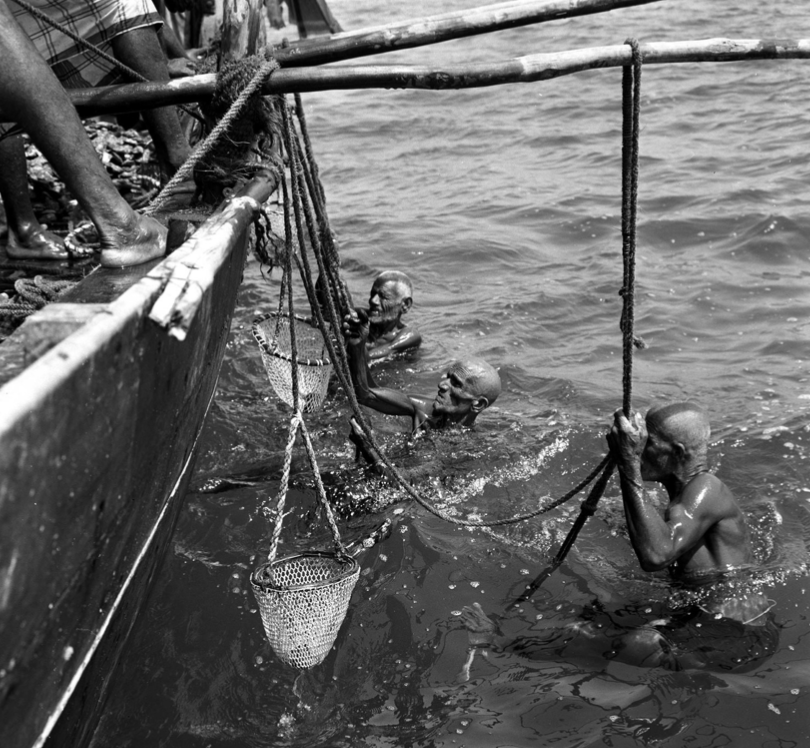
You drift over a mapped oyster bed, water the color of old glass, and he demonstrates the diving stone: a pierced granite weight tied to jute rope, twenty kilograms to pull a diver down fast. A crew member shows the nose clip, carved horn that divers pressed tight before descent.
You try the hand signals—closed fist for "pull me up," open palm for "more rope." The seeb, the rope-tender, explains timing: ninety seconds down, thirty seconds of harvest, pull. Repeat until the basket fills or the diver's lungs give out. You handle an oyster dredged yesterday, its shell rough as pumice. The nakhuda points to shore landmarks—the abandoned merchant house, the creek where dhows wintered. He plays a recording of a nahma song, the tempo matching the rhythm of rope-pulling, and you understand how repetitive labor became synchronized music. On the return crossing, you sort replica pearls by size using a brass sieve with seven screens, the same grading system Bombay traders used in 1920.
All the details about your upcoming adventure in one place
A pearl diving tour Ras Al Khaimah offers hands-on experience with traditional Gulf maritime heritage along the emirate's pristine coastline. Participants learn oyster identification, free-diving techniques, and the cultural significance of the pearl trade that shaped the region's economy for centuries. These authentic pearl diving tour Ras Al Khaimah tours include boat transfers, safety equipment, and guidance from instructors trained in historical methods.
For four millennia, Arabian Gulf pearl beds sustained coastal economies from Mesopotamia to the Trucial States. Ras Al Khaimah's northern waters—shallower and warmer than Dubai's offshore zones—yielded pearls prized in Bombay and Paris markets until the 1930s collapse triggered by Japanese cultured-pearl flooding.
The Al Rams coast, where pearl diving tour Ras Al Khaimah expeditions now depart, was home to seasonal fleets of fifty dhows that sailed June through September, divers descending on nose clips and weighted ropes to depths of twelve fathoms. A single two-month season could yield a family's annual income or leave them in debt to merchant financiers who controlled the trade.
Why pearl diving shaped Emirati identity more than any other pre-oil industry lies in its communal structure. Crews worked on profit-sharing arrangements—the nakhuda captain, the seeb rope-puller, the divers who held breath for two minutes per descent. Songs coordinated the rhythm of work. Families on shore processed catches, sorted by lustre and size. The profession demanded physical endurance and collective trust in conditions that claimed lives to sharks, jellyfish, and shallow-water blackouts. When oil wealth arrived in the 1960s, former divers became the first generation of skilled laborers, their discipline transferring to construction and trade.
Today's pearl fishing Ras Al Khaimah programs reconstruct this heritage on restored wooden dhows built to century-old specifications. The two-hour routes follow historic pearl banks off Al Rams, where operators have mapped oyster beds in collaboration with marine biologists. Participants learn the hand signals divers used underwater, handle the diving stone and leather finger-guards, and hear recorded nahma work songs. Some operators integrate free-diving instruction; others focus on above-deck storytelling by descendants of pearl merchants. The experience operates daily from a working harbor where fishing nets still dry on wooden stakes, providing context absent from museum dioramas.
What facts about pearl diving in the UAE tend to surprise visitors: the trade peaked as recently as 1900 with thirty thousand divers across the emirates. Weights were calibrated to individual divers—heavier stones for stronger swimmers to reduce descent time. The season opened with a ceremonial feast funded by the wealthiest nakhuda. These details, embedded in the two-hour narrative arc, distinguish heritage tourism from generic boat rides and anchor the experience in verifiable tradition rather than nostalgic invention.

The profession demanded physical endurance and collective trust in conditions that claimed lives to sharks, jellyfish, and shallow-water blackouts.
We request that guests wear light, modest casual clothing to respect local culture and traditions.
Small personal bags are permitted, but please note that there is no formal storage facility at the pearl diving tour ras al khaimah dock.
Photography is encouraged throughout the pearl diving tour ras al khaimah, especially during the oyster opening and mangrove boat ride.
The experience is highly suitable for families, with interactive demonstrations that engage both adults and school-aged children.
The facility is designed to be accessible for those with limited mobility, including the boat transfer and farm house areas.
Complimentary dates and coffee are served; additional snacks or full lunches are available at the facility for an extra cost.
Opening Hours
10:00–18:00 daily
Address
Al Rams Road, Al Rams, Ras Al Khaimah, United Arab Emirates
Accessibility
Accessible for those with limited mobility
Best Time
10:00–15:00 for optimal sunlight
Storage
Not available on-site
Navigation
Accessible via Al Rams Marina
All bookings are final. No refunds or cancellations are permitted for the 450 AED pearl diving tour ras al khaimah base package.
Recommended time
2-3 hours
To ensure a comfortable experience, participants should plan for a two-hour guided boat tour when booking their pearl diving tour ras al khaimah. We recommend adhering to the arrival window of 10:00–15:00 to mitigate exposure to mid-day heat while enjoying the coastal waters. Those securing pearl diving tour ras al khaimah tickets often find that arriving early allows for a more relaxed pace when engaging with the traditional heritage of the region. As you consider pearl diving tour ras al khaimah tours, note that the experience includes time for boat transit, safety briefings, and hands-on demonstrations of this historic Arabian maritime trade.
Crowd levels through the day
Pearl diving in the Persian Gulf predates written records, with archaeological evidence placing the trade as early as the fifth millennium BCE. By the sixteenth century, Ras Al Khaimah had emerged as a critical node in the regional pearling economy, its shallow coastal waters yielding nacre prized across European and Asian markets. Divers worked without breathing apparatus, descending to depths of twelve fathoms on a single breath while haulers managed ropes from surface dhows. The season ran from May through September, when warm currents brought optimal mollusk activity. Mortality rates approached fifteen percent annually, with many divers succumbing to shallow-water blackout or shark attacks before reaching thirty years of age. The collapse arrived in 1930 when Japanese cultured pearls flooded global markets, rendering Gulf natural pearls economically unviable within eighteen months. Ras Al Khaimah's pearling fleet, which had numbered over four hundred vessels in 1929, shrank to fewer than thirty by 1932. Entire coastal settlements emptied as families migrated inland or toward nascent oil economies in Abu Dhabi and Kuwait. The few remaining pearl merchants shifted to date trading or dismantled their warehouses for construction material. This extinction persisted through the federation's formation in 1971 and the subsequent oil boom, which redirected labor and capital away from maritime traditions. Revival began in 2004 when the Ras Al Khaimah Department of Antiquities and Museums partnered with former pearl divers to document surviving techniques before the last practitioners died. The pearl diving tour ras al khaimah emerged from this preservation effort, launching commercially in 2012 with restored wooden dhows and equipment replicas built to historical specifications. Participants now experience the nakhadah's navigation methods, the rhythmic pulling songs called fidjeri, and supervised shallow dives using period-accurate nose clips and weighted belts. The program employs descendants of original pearling families as guides, maintaining an unbroken oral transmission chain. Modern safety protocols limit depths to three fathoms and require surface support, but the fundamental choreography between divers and haulers mirrors practices unchanged since the eighteenth century.
Archaeological sites near Ras Al Khaimah reveal the earliest evidence of organized pearl harvesting in the Gulf region.
Ras Al Khaimah establishes itself as a major pearling port, exporting to Venice and Bombay through Ottoman trade networks.
The pearling industry reaches its zenith with over 400 dhows operating from Ras Al Khaimah's coast during peak season.
Japanese cultured pearl production devastates the natural pearl market, collapsing the Gulf's pearling economy within two years.
UAE federation forms, but pearling traditions have nearly vanished as oil wealth reshapes coastal economies.
Ras Al Khaimah authorities launch an oral history project to document surviving pearl diving techniques from elderly practitioners.
The first commercial pearl diving tour ras al khaimah tours begin operations using historically accurate vessels and methods.
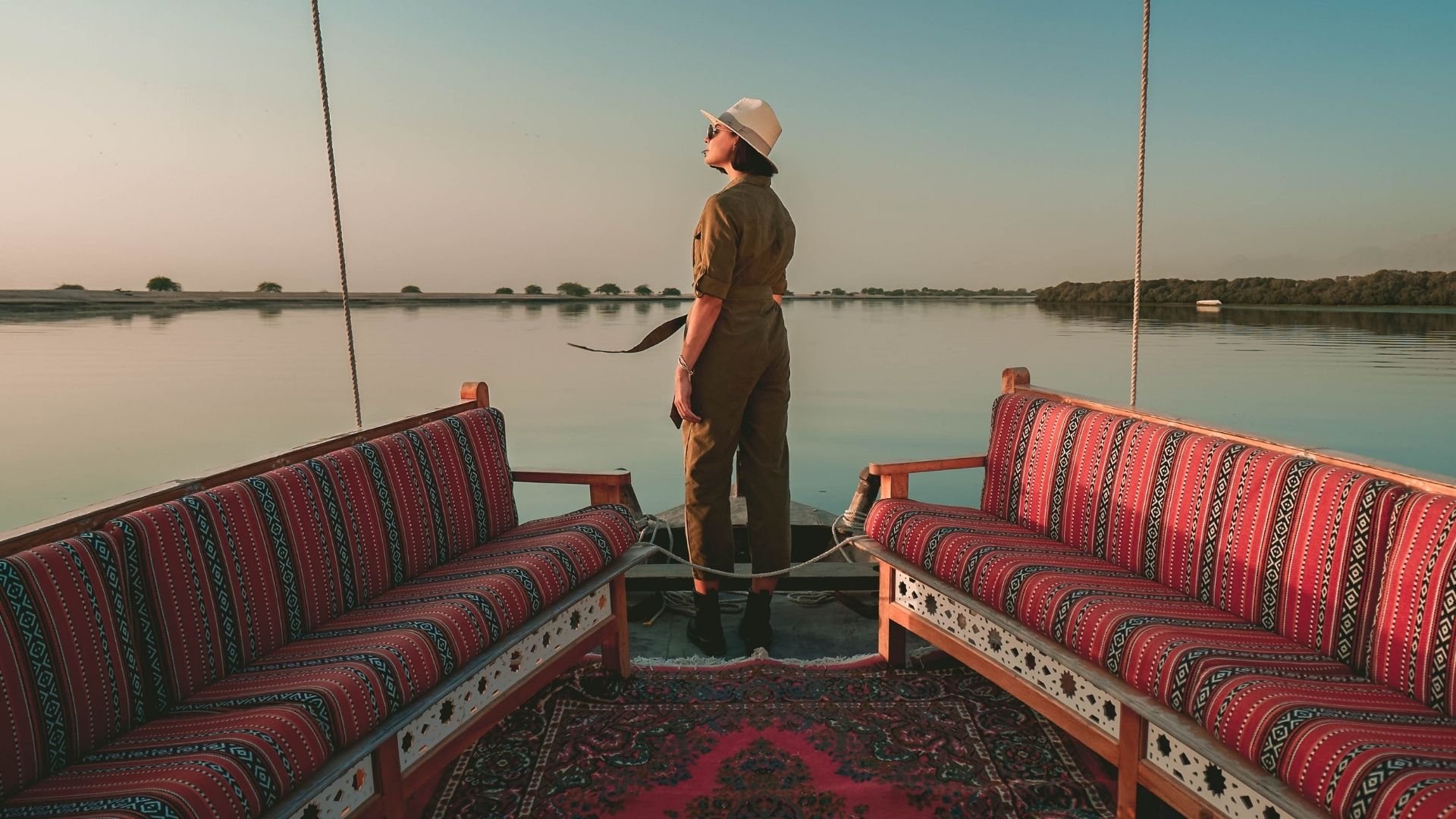
Stand at the very front of the traditional wooden vessel to capture the horizon and the sparkling Gulf waters. This vantage point provides an unobstructed view of the coastline during your pearl diving tour ras al khaimah.
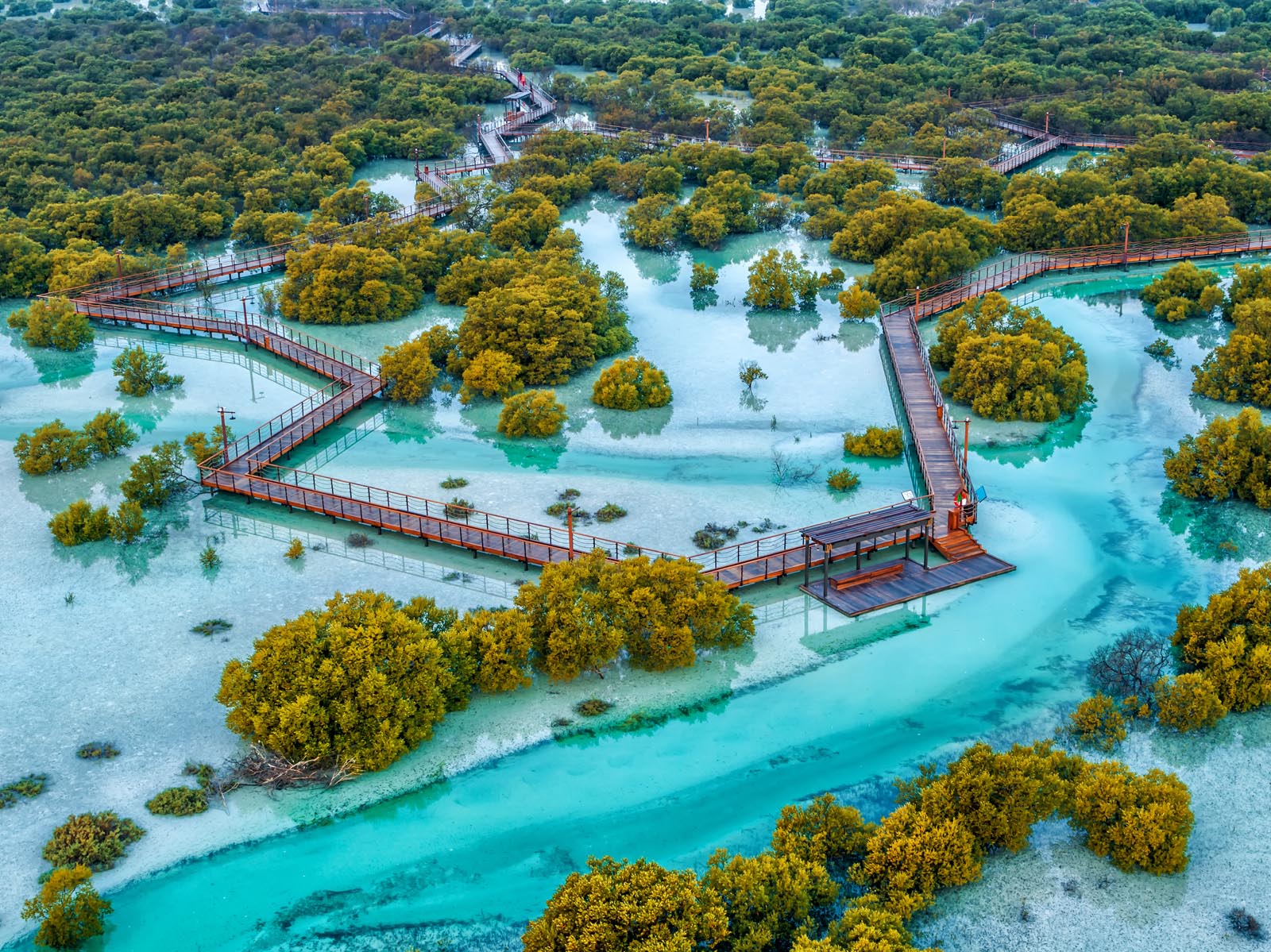
Position yourself along the side railing as the boat navigates the narrow channels. These lush coastal wetlands offer a sharp contrast to the open sea, perfect for wildlife photography.
Capture the heritage aspect from a low angle as the guide explains traditional collection methods on deck. Ensure you keep your camera ready for the moment an oyster is opened to reveal potential local treasures.
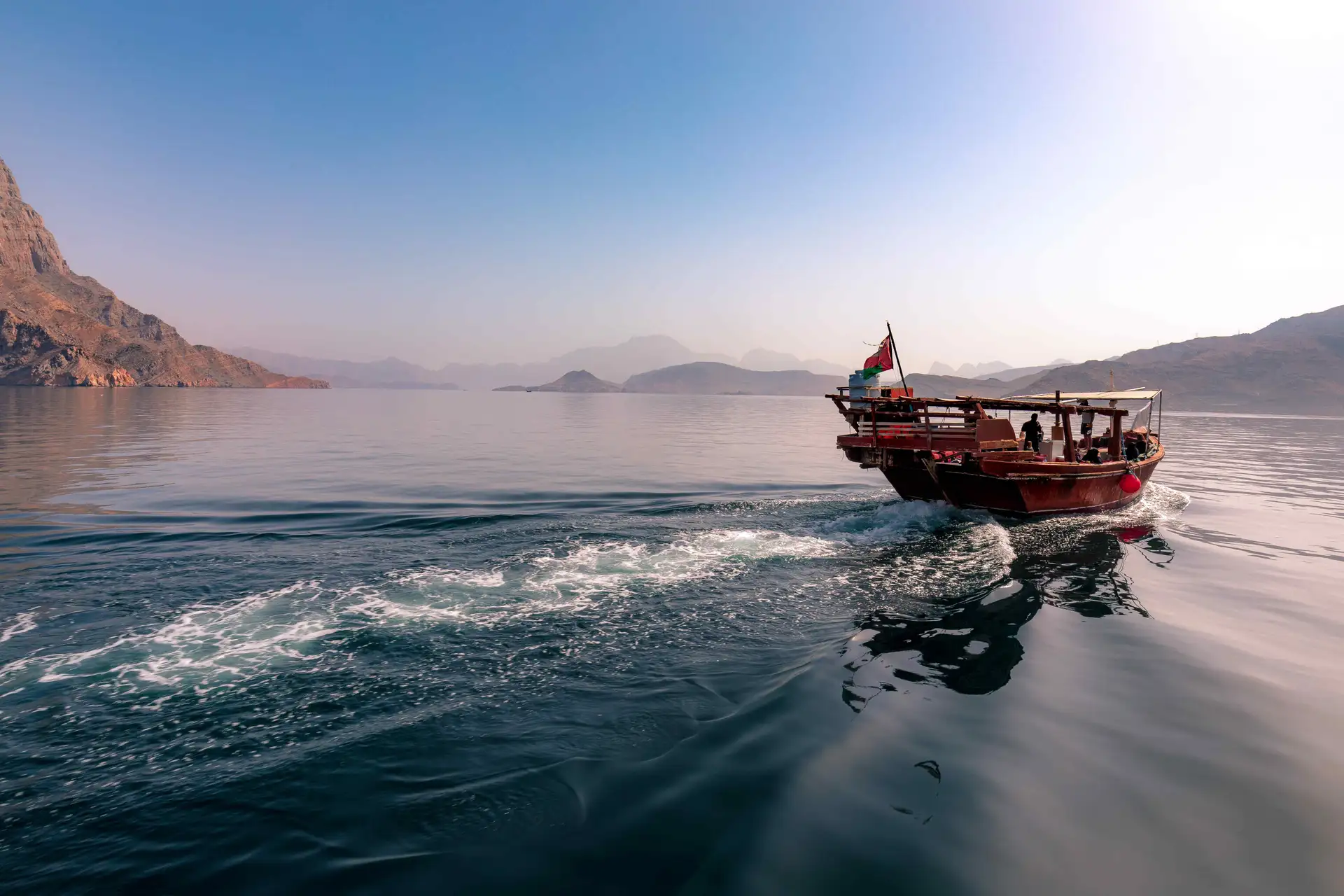
Use the aft deck to frame the vast expanse of the Arabian Gulf during the return leg of the journey. This spot is ideal for wide-angle shots of the calm, reflective surface while utilizing pearl diving tour ras al khaimah tours as a reference for your memories.
Real experiences from real travelers
Spent three hours learning traditional free-diving techniques from local guides who shared stories passed down through generations. The pearl diving tour ras al khaimah provided nose clips and weighted baskets just like historic divers used. Water clarity in July was exceptional, reaching depths of four to five meters comfortably.
Took my parents and two kids on this heritage experience. Captain explained how Ras Al Khaimah's pearl trade shaped the region before oil discovery. Everyone successfully retrieved oysters from the Gulf seabed. The traditional dhow boat added authenticity we didn't expect from modern tourism.
Dawn departure meant calm seas and better visibility for diving. Guides demonstrated breath-hold techniques before we entered the water. Pearl diving tour ras al khaimah tickets included all equipment and light refreshments. Found two small pearls during our session, which the crew helped us keep as souvenirs.
Learned about the hardships pearl divers endured working six-month seasons in harsh conditions. Water temperature in November required wetsuits. The UAE pearl diving heritage tour covered proper breathing techniques and safety protocols thoroughly. Would have preferred longer dive time.
Our captain had 30 years of pearl diving experience and shared techniques for locating oyster beds. The heritage pearl diving experience in ras al khaimah balanced cultural education with hands-on practice. Seeing the Al Hajar Mountains from the Gulf provided perspective on coastal geography.
Different from typical beach excursions in the Emirates. Instructors emphasized sustainability and only harvested from designated areas. Traditional pearl diving ras al khaimah tours maintain historical accuracy while ensuring modern safety standards. The wooden dhow rocked gently, making the three-hour trip comfortable.
My teenage sons learned about regional maritime history while practicing diving skills. Crew explained how divers used stone weights to descend quickly and conserve breath. Found the connection between pearling and local architecture fascinating. Water conditions were ideal for beginners.
Departed at six AM to catch optimal tide conditions. The ras al khaimah pearl diving adventure included instruction on opening oysters without damaging potential pearls inside. Our group of eight all successfully completed dives ranging from three to six meters deep. Captain served traditional Arabic coffee during the return journey.
Booked this after reading about the emirate's pearling legacy. Guides provided historical context about trading routes to India and Persia. Pearl diving tour ras al khaimah operates with respect for marine ecosystems, returning empty shells to the seabed. The experience felt authentic rather than commercialized.
Three-hour tour covered more than expected. Learned proper free-diving posture and equalization techniques. Water visibility reached 10 meters, allowing clear views of oyster clusters. The traditional dhow pearl diving tour ras al khaimah maintained period-appropriate atmosphere while meeting current safety regulations.
Everything you need to know for your journey
The facility is open daily from 10:00 to 18:00.
Yes, the experience is ideal for families and children are welcome to participate in the interactive demonstrations.
The base package for the pearl diving tour ras al khaimah is 450 AED per person.
The tour is located at Al Rams Road, Al Rams, Ras Al Khaimah, United Arab Emirates.
We recommend booking your pearl diving tour ras al khaimah for an arrival between 10:00 and 15:00 to avoid peak heat.
All bookings for the pearl diving tour ras al khaimah are final and non-refundable.
Bring your valid booking confirmation, sunscreen, and a camera to capture your experience.
Complimentary dates and coffee are provided; lunch options are available for purchase at the pearl diving tour ras al khaimah.
The meeting point is at the Al Rams Marina where you will board a traditional boat for your pearl diving tour ras al khaimah.
Join thousands of happy travelers who have discovered this incredible experience
Book Your Experience Now